A septic tank full water problem can mean the tank holds normal wastewater, or that water cannot leave correctly. The safest step is to stop extra water use and arrange an inspection. A high level may point to a full tank, blocked outlet, failed pump, or drain-field trouble. Early help can lower backup and damage risks.
Table of Contents
- What does it mean when a septic tank is full of water?
- Why is my septic tank full of water?
- Can a full septic tank cause water to back up?
- What are the signs that a septic tank is too full?
- How can you tell whether the problem is the tank or the drain field?
- What should you do right now if your septic tank is full of water?
- When is a full septic tank an emergency?
- How is a water-filled septic tank inspected and pumped?
- How much does it cost to pump a full septic tank?
- How can you prevent a septic tank from becoming too full?
- Frequently Asked Questions
- Key takeaways
- Conclusion
What does it mean when a septic tank is full of water?
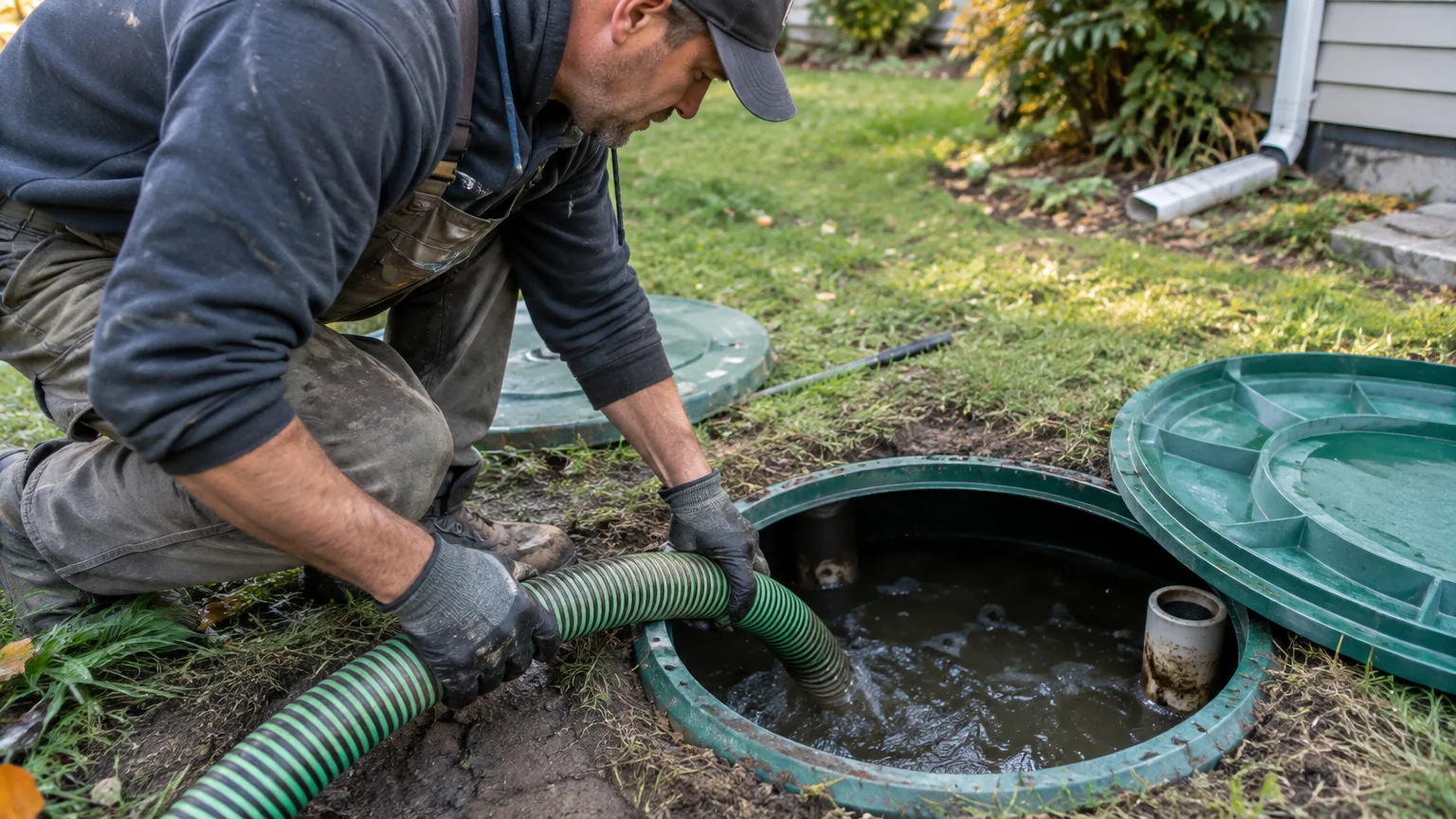
A septic tank should contain liquid. Wastewater enters from the home, solids settle, and liquid moves toward the drain field. The tank is not meant to be empty. Trouble starts when liquid rises higher than normal or reaches the inlet pipe.
A septic tank full water problem means the tank may not release wastewater fast enough. A trained worker checks the level against the inlet and outlet pipes. The tank level, recent water use, and drain-field condition can explain the problem.
Normal liquid levels versus an abnormal water level
A working tank usually holds liquid below the inlet pipe. Wastewater enters from the house, then treated liquid leaves through the outlet. The outlet often has a filter. This filter helps keep solids out of the drain field. If it blocks, water may stay high in the tank.
The tank may also look full after heavy use. Guests, laundry, long showers, and many dishes can send extra water into the system. The level should fall when the system works well. A level that stays high needs attention.
How the tank level relates to wastewater flow
Every gallon sent down a drain must move through the septic system. If the outlet, pipe, pump, or soil cannot take that flow, water backs up inside the tank. A full tank does not always mean the tank is damaged. The trouble may be farther along the system.
Septic Pumping Houston helps Houston property owners learn if a water level is normal or a warning sign. A trained worker should open and inspect the tank safely. Homeowners should never enter a tank or lean over an open access point.
Why is my septic tank full of water?
The most common reason is a tank that needs septic pumping. Other causes include a blocked outlet filter, damaged pipe, failed pump, or drain field that cannot take wastewater. Heavy rain and high household use can also raise the level for a short time.
A worker checks the tank, pipes, baffles, filter, pump, and drain field. This step matters because pumping removes stored solids. It cannot repair a failed pump or fix soil that no longer takes water.
Most likely causes ranked by probability
- The tank is due for pumping: Solids build up over time and reduce working space. This is often the first cause checked.
- The outlet filter is blocked: A dirty filter can slow or stop liquid from leaving. It may need safe cleaning or replacement.
- A pipe is blocked or damaged: Roots, crushed pipe, grease, or settled soil can limit flow between the home, tank, and drain field.
- The drain field is saturated: Wet soil may take very little wastewater. A failing field may stay slow after dry weather returns.
- A pump or control problem exists: Systems with pumps need power, working floats, and sound controls. A failed part can stop discharge.
- The tank or baffle is damaged: Cracks, shifted parts, or poor past repairs can change how water moves through the tank.
How recent weather and household use affect the tank
Rain can enter through a damaged lid, loose riser, or cracked tank. Groundwater can also enter through breaks in the tank or pipes. If the yard is wet, the drain field may have less room for household wastewater.
The household should pause extra water use while the cause is checked. Spreading laundry over later days may reduce strain, but it will not fix a blockage. Houston homes can have different soil, weather, and system designs. The inspection should guide the next step.
Can a full septic tank cause water to back up?
Yes. A high tank level can cause slow drains, wastewater inside the home, or wet ground near the drain field. The first backup may appear in the lowest plumbing fixture. It may also happen when several fixtures run at once.
Wastewater can carry germs and harmful matter. Do not touch it without proper protection. Children and pets should stay away from sewage, wet drain-field areas, and open tank access points.
Where wastewater backs up first
The lowest drain often shows trouble first. This may be a basement drain, shower, toilet, or utility sink. Toilets may gurgle, and drains may empty slowly. Sewage smells may come from fixtures or the tank area.
A backup can happen inside even when the yard looks dry. A blockage between the home and tank may stop wastewater before it reaches the tank. A professional checks both the building sewer and septic system before choosing a repair.
What sewage backups can damage inside a property
Sewage can soak flooring, drywall, insulation, furniture, and stored items. It can also leave odors after visible water is gone. Porous materials may need special cleaning or removal. Wet electrical equipment creates another safety risk.
The household should avoid affected fixtures. Keep people and animals out of the area. Cleanup should follow local health advice and use proper safety gear. Septic pumping may solve the tank problem, but indoor cleanup may need another trained service.
What are the signs that a septic tank is too full?
Common signs include slow drains, gurgling pipes, sewage odors, and wastewater rising from a low fixture. Outside, a wet patch, strong smell, or bright green strip over the drain field may signal trouble. One sign alone does not prove the tank is full. Several signs together need quick attention.
Some warning signs appear slowly. Others happen during a shower, laundry cycle, or heavy rain. Note when the problem starts. This can help a worker find the cause faster.
Indoor warning signs
Watch for these changes inside the property:
- Toilets bubble or flush more slowly than normal.
- Sinks, tubs, or showers drain slowly in more than one room.
- A sewage smell comes from drains or plumbing fixtures.
- Wastewater appears in a floor drain or low shower.
- Drains gurgle when another fixture runs.
- Problems return soon after a drain is cleared.
A single clogged sink may have a local plumbing cause. Trouble in many fixtures points more strongly to a building sewer or septic problem. Chemical drain cleaners may harm pipes, people, or septic biology. They are not a safe answer to repeated backups.
Yard and drain-field warning signs
Look for standing water, soggy soil, sewage odors, or bright green grass over part of the drain field. These signs may mean the soil gets more liquid than it can absorb. They can also point to a broken pipe or surface water entering the system.
Do not drive, park, build, or place heavy items over the drain field. Packed soil has less room for wastewater flow. Keep pets away from wet areas until the system is checked.
How can you tell whether the problem is the tank or the drain field?
A professional can separate tank trouble from drain-field trouble by checking liquid levels, flow, filters, pipes, soil, and system parts. A tank full of solids may improve after pumping. A drain field that stays wet may need a deeper repair plan.
Homeowners can note signs, but they should not dig into the field or open buried parts without advice. Drain fields can be large. Digging in the wrong place may damage pipes or create a safety risk.
Clues that point to a full or blocked tank
A tank that needs pumping often has a high solids layer. The outlet filter may be covered with sludge. Wastewater may flow from the home but stop at the tank outlet. In these cases, pumping and filter service may restore normal flow.
A worker may also check the inlet baffle. This part directs incoming wastewater and helps stop scum from entering the outlet. A missing or damaged baffle can cause trouble even after the tank is pumped.
Clues that point to a saturated or failing drain field
A slow drain field may show wet ground, odors, or sewage over the field. The tank may become full again soon after pumping. Flow may also worsen after storms or during high groundwater.
A drain field spreads treated liquid into soil for final treatment. Its work depends on soil, design, water load, and care. Pumping removes solids, but it does not rebuild damaged soil or replace failed parts.
What should you do right now if your septic tank is full of water?
First, reduce water entering the system. Stop laundry, long showers, dishwashing, and other extra use. Do not flush toilets unless needed. Then arrange an inspection and share the signs, recent weather, and past pumping or repair work.
A homeowner can check simple signs, such as a wet yard or slow fixture. The homeowner should not remove a heavy lid, climb into a tank, or probe buried pipes. Septic tanks contain gases that can overcome a person without warning.
Immediate steps to reduce backup risk
- Stop using water for nonessential tasks.
- Keep children and pets away from wet ground or sewage.
- Turn off a septic pump only when a qualified worker gives clear instructions.
- Mark unsafe areas without walking through them.
- Write down indoor symptoms, weather changes, and recent water use.
- Arrange a visit with a qualified septic professional.
If wastewater enters the home, avoid contact and keep electrical equipment away. Open windows only when it is safe. Follow local cleanup advice, especially when sewage reaches living areas.
What to avoid until the system is inspected
Do not add septic additives as a quick fix. Do not pour bleach, solvents, grease, or harsh cleaners into drains. Do not cover a wet drain field with soil or dig out a blocked pipe. These steps can hide signs, spread contamination, or cause more damage.
Septic Pumping Houston can explain which water-use changes are safe while a Houston property waits for service. The right action depends on whether the issue is pumping, a blockage, a pump, or the drain field.
When is a full septic tank an emergency?
A full tank becomes urgent when sewage backs up, reaches the ground, or threatens the home. It is also urgent when a pump alarm sounds, the drain field floods, or people and pets may touch wastewater. Fast emergency pumping may limit damage and health risks.
A small odor with no backup still needs attention. It may not need the same response as sewage inside the property. When unsure, stop water use and ask a qualified professional about the right response. Some providers offer 24/7 service for urgent septic problems, but response options can vary.
Situations that require urgent professional help
Seek urgent help when any of these conditions occur:
- Sewage rises from a toilet, shower, floor drain, or cleanout.
- Wastewater appears on the ground near the tank or drain field.
- A high-water or pump alarm stays on.
- Several fixtures stop draining at the same time.
- The tank lid is broken, loose, or exposed.
- A child, pet, or adult touches sewage.
The worker may need to pump the tank, clear a blockage, repair a pump, or stop an active discharge. The first visit may find the cause. A larger repair may still need more tests.
How to protect people, pets, and the property
Keep everyone away from wastewater and open tank areas. Close doors or block access to affected rooms. Do not touch sewage with bare hands. Wash exposed skin with soap and clean water. Seek medical advice after major contact.
If the property has a sewage backup, record affected areas without spreading contamination. A trained cleanup provider can explain which materials may be damaged. Septic service and indoor restoration are related, but they are separate tasks.
How is a water-filled septic tank inspected and pumped?
A professional starts by finding the tank, checking access, and reviewing symptoms. The inspection may include liquid levels, sludge depth, scum depth, inlet and outlet baffles, the effluent filter, and signs of groundwater entry. The worker then decides if pumping is needed.
Pumping removes settled solids and floating scum. It does not remove the need for an inspection. A tank can be empty after pumping and still have a broken pipe, failed pump, damaged baffle, or drain-field problem.
What a professional checks before pumping
The worker checks whether wastewater enters the tank and whether it can leave. They may inspect the line from the house, outlet filter, pump chamber, alarms, and visible tank surfaces. They also look for unsafe lids, roots, cracks, and unusual water flow.
Tank size and system design matter. Some properties have gravity systems. Others use pumps or separate chambers. The service plan should match the system instead of assuming every tank works the same way.
Why pumping alone may not solve the problem
Pumping can help when solids fill too much of the tank. It cannot correct a saturated drain field, crushed pipe, or failed pump. If the tank becomes full again soon after service, report that change to the worker.
A professional may suggest outlet filter cleaning, pipe repair, electrical checks, or a drain-field review. The final cost depends on tank size, access, parts, damage, urgency, and needed work. The provider should confirm the final cost on a quote before extra work begins.
How much does it cost to pump a full septic tank?
The cost varies by the work needed, so a reliable answer requires an inspection and quote. A routine pump-out is usually simpler than work involving blocked pipes, poor access, pump parts, or a damaged drain field. Emergency work may need different equipment or timing.
Property owners should ask what the visit includes, whether findings are recorded, and which repairs are separate. Tank size, location, access, waste level, travel distance, and system type can affect the final cost.
What affects the overall cost
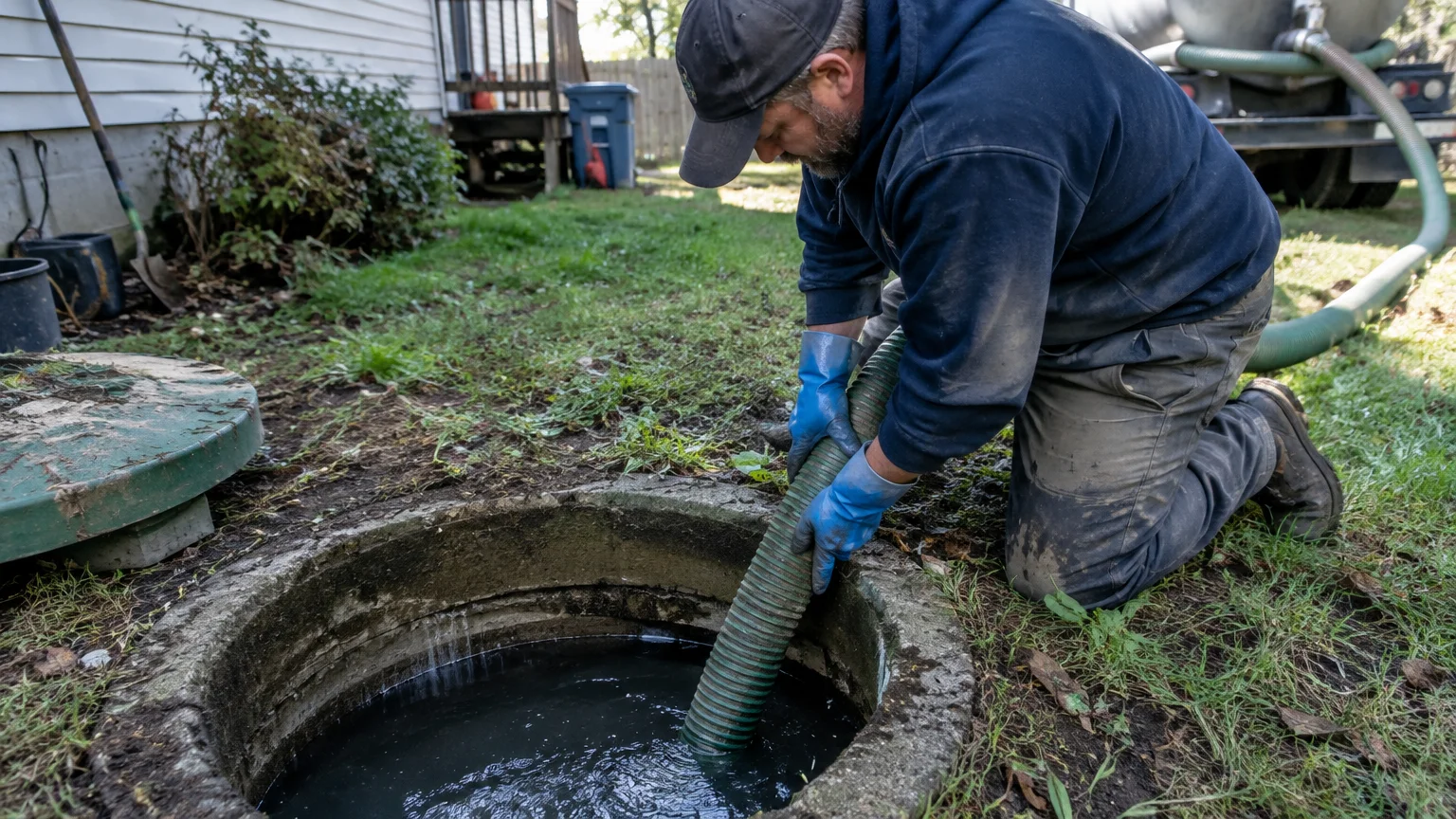
Important factors may include:
- Tank size and the amount of material that must be removed.
- Distance from the service vehicle to the tank access point.
- Buried, narrow, damaged, or hard-to-open access covers.
- Blocked filters, pipes, baffles, pumps, or control parts.
- Wet ground, poor access, or other site conditions.
- Whether the issue is routine, urgent, or part of a larger repair.
A quote should explain the recommended work in plain language. Property owners should not assume a pump-out includes drain-field repair, plumbing repair, cleanup, or replacement parts.
How pumping compares with repairs or drain-field work
Pumping is often a smaller job than repairing a failed pump, replacing damaged piping, or rebuilding a drain field. Drain-field work can involve testing, digging, soil limits, and system design. A failing system may need several steps instead of one visit.
Septic Pumping Houston can help property owners in the main Houston area, including Houston Heights and Spring Branch West, understand the inspection results. A provider should confirm the final cost on a quote before added repair work is approved.
How can you prevent a septic tank from becoming too full?
Regular inspections and septic pumping help stop excess solids from building up. The right schedule depends on tank size, household size, wastewater use, and solids entering the tank. A technician can help set a useful maintenance reminder.
Good water habits also protect the system. Spread laundry over several days, repair leaking toilets, and keep grease, wipes, and harsh chemicals out of drains. Only human waste and toilet paper should go down a toilet.
Maintenance and water-use habits that help
- Keep records of inspections, pumping, repairs, and alarm tests.
- Fix dripping faucets and running toilets without delay.
- Use laundry loads that match the system’s capacity.
- Keep grease, paint, solvents, wipes, and medicines out of drains.
- Protect the tank and drain field from vehicles and heavy structures.
- Keep roof water and sump discharge away from the drain field.
- Check that access covers stay secure and easy to locate.
A septic tank is a buried container that separates solids from liquid wastewater. A septic system includes the tank, pipes, treatment parts, and drain field. Knowing the difference helps owners understand why a pump-out may not fix every problem.
When to schedule the next inspection or pump-out
Schedule service before backup signs appear. A new owner should learn the system location, design, records, and last service date. A home buyer may also need a septic inspection during the purchase process. A perc test, or percolation test, checks how quickly soil absorbs water. Local health or environmental offices usually arrange this test.
The tank depth and distance from the house vary by site and local rules. A professional can locate the tank and explain safe access. Septic Pumping Houston serves Houston and can help owners plan the next inspection based on system condition.
Frequently Asked Questions
What is a septic tank?
A septic tank is a buried container that receives wastewater from a property. Solids settle at the bottom, lighter material floats, and liquid leaves through an outlet. The tank needs regular inspection and pumping because solids do not disappear. A tank is only one part of the full septic system.
How deep should a septic tank be?
There is no single depth for every septic tank. Depth depends on tank design, soil, site slope, local rules, and pipe layout. Some tanks have risers that bring access closer to the surface. A professional should locate and open the tank safely instead of guessing.
How far does a septic tank need to be from a house?
The required distance depends on local health rules, lot conditions, soil, wells, property lines, and system design. The tank and drain field may sit different distances from the home. Property owners should check local rules and use a qualified professional before moving or installing a system.
Who performs a perc test?
A perc test is usually arranged through a local health department, environmental office, licensed soil professional, or qualified septic designer. The process varies by location. The test shows whether soil can absorb wastewater. It does not replace a tank inspection or full system review.
How do you spell cesspool?
The standard spelling is cesspool. A cesspool is not the same as a modern septic system. It often means a pit that receives wastewater with limited treatment. Property owners should use the term found in local records because approved systems and rules vary.
Key takeaways
- A septic tank should hold liquid, but a high level can signal trouble.
- Common causes include pumping needs, blocked filters, pipe issues, pumps, and saturated soil.
- Stop extra water use when backup signs appear.
- Never enter a tank or handle sewage without proper safety steps.
- Pumping may not solve a blocked pipe, failed pump, or damaged drain field.
Conclusion
A high septic tank level should not be ignored. It may show normal wastewater, but it can also warn of a blocked outlet, full tank, failed pump, or drain-field problem. Reducing water use helps lower backup risk while the system is checked.
A careful inspection gives the property owner a clear plan. It can show if the next step is pumping, filter service, a plumbing repair, septic tank replacement, or a larger system review. Contact us to arrange septic tank help for your property.