The remove septic tank cost depends on the tank, site, access, local rules, and cleanup needs. Removing an unused tank is not the same as septic pumping. A clear quote should list each task, needed equipment, waste disposal, permits, and repairs. This helps Houston property owners plan with fewer surprises.
Table of Contents
- How much does it cost to remove a septic tank?
- What factors drive the cost of removing a septic tank?
- How does tank size and access affect the removal price?
- How do septic system types change removal costs?
- How much does septic tank decommissioning involve?
- What affects the cost of removing a grease trap?
- What should a septic tank removal quote include?
- Key takeaways
- Frequently Asked Questions
- Conclusion
Removing an old septic tank can worry a property owner. The work may affect a yard, driveway, garden, or building plan. Knowing the main cost factors helps owners ask better questions. Septic Pumping Houston helps Houston property owners understand the work before they approve it.
How much does it cost to remove a septic tank?
The final remove septic tank cost depends on the work needed at that property. A contractor must find the tank, check its condition, review access, and learn which local rules apply. The quote may include pumping, digging, tank removal or filling, hauling, disposal, soil replacement, and surface repair.
Why removal costs differ from routine septic pumping
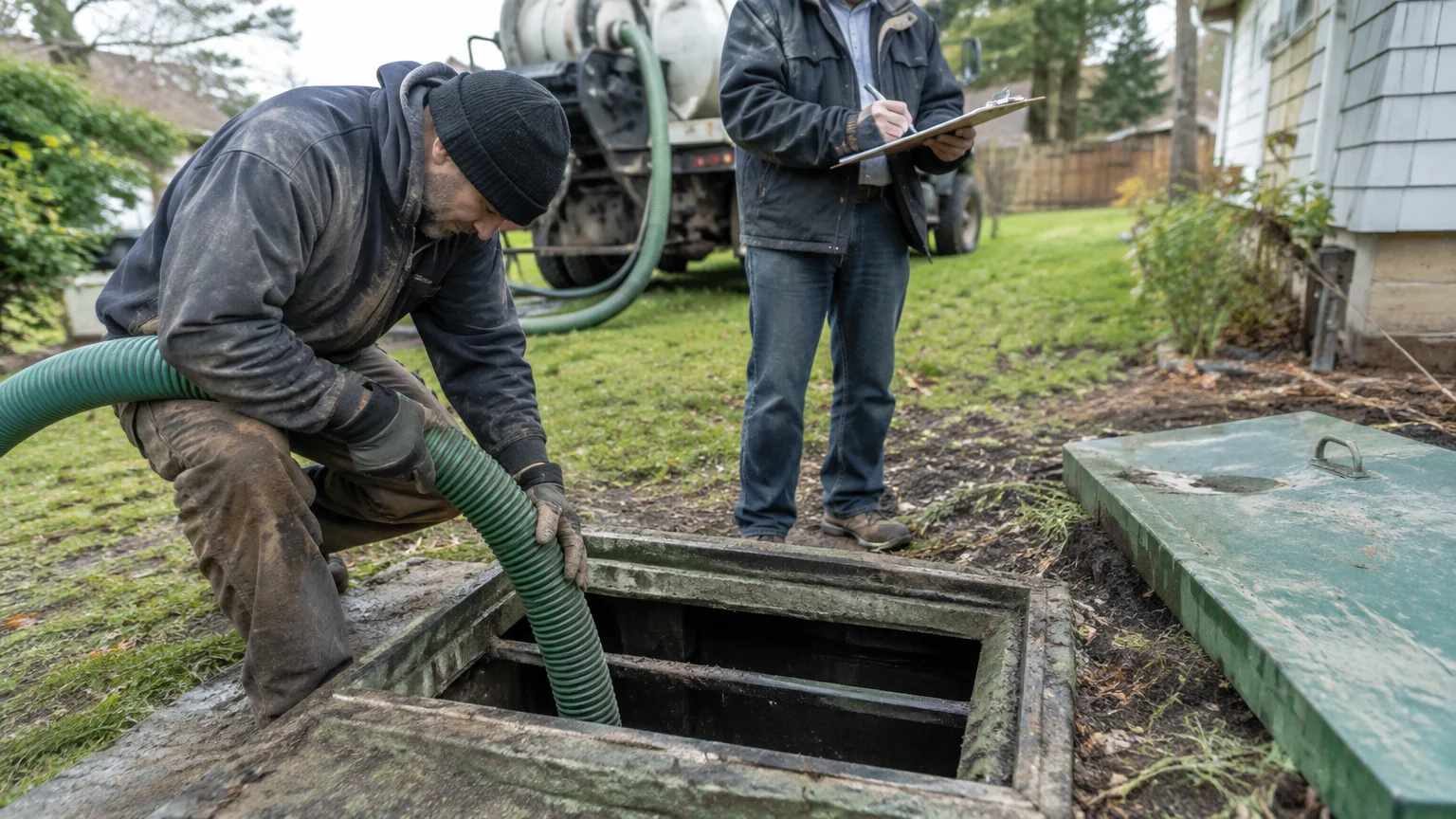
Routine septic pumping removes liquid and solids from an active tank. Removal goes much further. It may need digging, cutting or lifting the tank, moving heavy equipment, hauling waste, and making the ground safe again. Some owners need full removal. Others need approved decommissioning, which leaves the tank in place after it is emptied and prepared.
A buried tank may contain water, sludge, gases, or broken parts. A trained crew uses safe methods and proper equipment. The crew may need to protect pipes, foundations, trees, fences, and utility lines. These needs make removal more involved than septic tank pumping services.
How the final quote is confirmed without relying on a standard price
There is no useful one-size-fits-all price for this work. A written quote should follow a site review, records check, or both. The final amount is confirmed on the quote after the contractor understands the tank, access, soil, disposal plan, and repair needs.
Septic Pumping Houston serves property owners and can explain why removal plans differ. Owners should compare the work listed, not only the final amount. A short quote that leaves out disposal or repairs may not cover the full job.
What factors drive the cost of removing a septic tank?
The main cost factors are tank size, material, condition, location, access, soil, local rules, and disposal. The quote can also change if the crew finds connected pipes, a pump chamber, a broken lid, or damaged soil around the tank.
Tank size, material, condition, and location
A larger tank often needs more labor, lifting power, space, and hauling. Concrete, steel, fiberglass, and plastic tanks may need different removal methods. A cracked tank or rusty tank can need extra care. A tank near a house, well, driveway, or property line may need a slower and safer plan.
The tank depth matters too. Owners often ask how deep a septic tank should be. Depth can vary by design, soil, frost needs, local rules, and the building sewer height. A contractor can locate the tank and check its depth before work starts. Old records may help, but they may not match the current property.
Access, excavation, soil, and disposal requirements
Open access can make equipment use easier. Narrow gates, steep slopes, wet ground, walls, and landscaping can slow the work. Hard soil, rock, groundwater, or buried debris may also change the digging plan. The crew may need smaller equipment or added protection for nearby areas.
Disposal is another key part of the quote. The plan should explain where the tank, soil, liquid, and waste will go. Owners should ask if the quote includes backfill, grading, seed, sod, paving, or other surface repairs. Clear details help prevent gaps between removal and final cleanup.
How does tank size and access affect the removal price?
Tank size and site access affect the equipment, labor, time, and safety steps needed. A small tank beside an open driveway may be easier to reach than a large tank below a planted yard or concrete area.
Why larger tanks require more labor and equipment
Large tanks hold more material and weigh more, especially when made from concrete. The crew may need a larger excavator, lifting equipment, more workers, or more hauling space. The tank may need to be broken into sections before removal. The contractor should explain each method before work starts.
A septic tank may connect to distribution boxes, pump chambers, or drainfield pipes. Removing only the main tank may not finish the owner’s plan. The quote should state which parts will stay, which parts will go, and how open pipes will be handled.
How difficult access and site conditions change the work
A contractor should check the route from the street or driveway to the tank. The route may cross grass, pavers, a fence, or a narrow side yard. Heavy equipment can leave ruts or harm surfaces, so the quote should explain protection and repair plans.
Owners should share any known site details. A septic tank locator, property sketch, permit record, or past repair note may help. The answer to how far a septic tank is from a house depends on the original design and later changes. A site visit is safer than guessing from a common distance.
How do septic system types change removal costs?
Septic system design changes the number of parts, controls, and safety steps involved. A basic gravity system may have fewer parts than an advanced treatment system, mound system, or holding tank.
Differences between standard tanks, advanced systems, and holding tanks
A standard septic system often has a tank and a drainfield. An advanced system may have treatment units, pumps, alarms, filters, control panels, or separate chambers. A holding tank stores wastewater for later service and may need a different closure plan.
The contractor should identify the system before preparing a quote. This is why owners should not assume that a tank can simply be buried after pumping. Local authorities may require a certain method, inspection, record, or permit.
Additional work for pumps, chambers, filters, and connected components
Pumps and electrical controls may need safe disconnection. Filters may need cleaning or removal. Baffles, risers, lids, distribution boxes, and pressure lines may affect the work. The quote should say whether these parts are included or left out.
Understanding how a septic system works can help an owner ask useful questions. Wastewater leaves the building and enters the tank. Solids settle while liquid moves toward treatment in the soil or another approved system. When one part is removed, the rest of the system still needs a safe plan.
How much does septic tank decommissioning involve?
Septic tank decommissioning means taking an unused tank out of service under an approved plan. It may involve pumping, cleaning, disconnecting, removing, crushing, filling, or recording the tank. The steps depend on local rules and site conditions.
What decommissioning means and when it may be required
Decommissioning may be needed when a property joins a public sewer, gets a new septic system, or has an abandoned tank. An old tank can create a collapse or safety risk. Full removal is not always required. In some cases, an approved method leaves the tank in place after it is emptied and made stable.
The right method depends on the authority having jurisdiction, or AHJ. The AHJ is the local agency that enforces rules for a property. Owners should ask which agency reviews the work before choosing a method.
Permits, inspections, records, and site restoration considerations
Permits and inspections vary by state, county, and project type. The owner may need records showing that the tank was pumped, removed, filled, or closed. A contractor can help explain the paperwork, but the owner must confirm local needs.
Restoration should be part of the plan. Soil may need to be placed in layers and packed safely. The finished area may need grading, grass, paving, or other repairs. Owners should keep the final documents with property records, especially before a sale, refinance, addition, or future septic inspection.
What affects the cost of removing a grease trap?
Grease trap removal depends on its size, location, condition, contents, access, and plumbing connections. A grease trap is a device that slows wastewater so fats, oils, and grease can separate before reaching a sewer or septic system.
Interior, exterior, commercial, and residential grease trap differences
An indoor grease trap may sit under a sink, floor, or service area. An outdoor interceptor may sit underground and need digging. Commercial systems are often larger and may serve busy kitchens. Residential systems may be smaller, but access can still make removal hard.
The quote should identify the trap, connected lines, nearby structures, and repair needs. Owners should ask whether the work involves a septic system, a public sewer connection, or both. Each setting may have different approval and disposal steps.
Pumping, cleaning, excavation, disposal, and replacement considerations
A grease trap may need pumping and cleaning before removal. The crew may then disconnect pipes, dig around the unit, remove it, and manage dirty soil or waste. If the trap stays in place, approved closure steps may still apply.
Replacement work is separate from removal unless the quote clearly includes it. A new trap may need updated plumbing, a larger excavation, access covers, or an inspection. Septic Pumping Houston can help Houston owners ask whether the quote covers only removal or also the next approved system.
What should a septic tank removal quote include?
A useful quote should describe the full plan in plain language. It should list the tank and connected parts, safety steps, excavation, pumping, disposal, permits, restoration, and work that is not included.
Questions to ask before approving the work
Owners can ask these questions before signing:
- Has the tank and its location been confirmed?
- Does the plan call for full removal or approved decommissioning?
- Which pumping, cleaning, pipes, pumps, and chambers are included?
- Who handles permits, inspections, disposal, and required records?
- How will the yard, driveway, plants, or paving be protected and repaired?
- What conditions could change the written quote?
The owner should also ask how the crew will protect people, pets, utilities, buildings, wells, and nearby soil. Septic work can expose people to dangerous gases and dirty material. Children and pets should stay away from open holes and work areas.
When property owners should request an assessment and written quote
An assessment helps before a sale, new construction, sewer connection, landscape project, or major yard change. It also helps when an old tank has an unknown location, damaged lid, odor, wet ground, or signs of collapse.
The quote should be confirmed after the contractor reviews the site and local rules. Septic Pumping Houston helps property owners across the main Houston area. This includes Houston Heights, Spring Branch West, nearby neighborhoods, and surrounding communities. The Contact us page provides a way to learn more about the assessment process.
Key takeaways
- Remove septic tank cost depends on the site, tank, system, access, rules, and repairs.
- Routine septic pumping differs from removal or approved decommissioning.
- Tank size, material, depth, soil, and equipment access can change the work.
- Quotes should explain pumping, disposal, permits, records, and surface repairs.
- The final cost is confirmed in a written quote after the property is assessed.
Frequently Asked Questions
Is removing a septic tank the same as pumping it?
No. Pumping removes wastewater and solids from the tank. Removal involves digging, lifting or breaking the tank, hauling, disposal, and site repair. Decommissioning may leave the tank in place after approved cleaning and filling. The right option depends on the property, system, and local rules.
How can a homeowner find a buried septic tank?
A homeowner can check property records, old inspection reports, cleanout spots, and visible pipe routes. A septic professional can use safe locating methods when records are missing. Owners should not dig blindly. Buried utilities, tanks, and broken lids can create serious hazards.
How far should a septic tank be from a house?
The required distance depends on local code, site design, soil, wells, property lines, and other features. Existing tanks may not meet current rules. A local authority or qualified professional can confirm the required setback before removal, replacement, or construction.
Does every abandoned septic tank need full removal?
No. Some authorities allow approved decommissioning that leaves the tank in place. The tank may need pumping, cleaning, disconnection, filling, inspection, and records. Other sites may need full removal because of construction, collapse risk, contamination, or local rules.
What should an owner do if a quote changes after digging begins?
The owner should ask what condition caused the change. Request the revised work in writing. The explanation should name added labor, equipment, disposal, permit, or repair needs. The owner can then approve or question the change before extra work continues.
Conclusion
The remove septic tank cost is shaped by the property, not by one standard amount. Tank size, material, access, system type, local rules, disposal, and repairs all matter. A detailed assessment and written quote help owners understand the work before digging begins.
For property owners Septic Pumping Houston can explain the removal or decommissioning process in clear terms. If you are unsure what you have, an early review can help prevent a larger problem. Contact us today to discuss the next step.